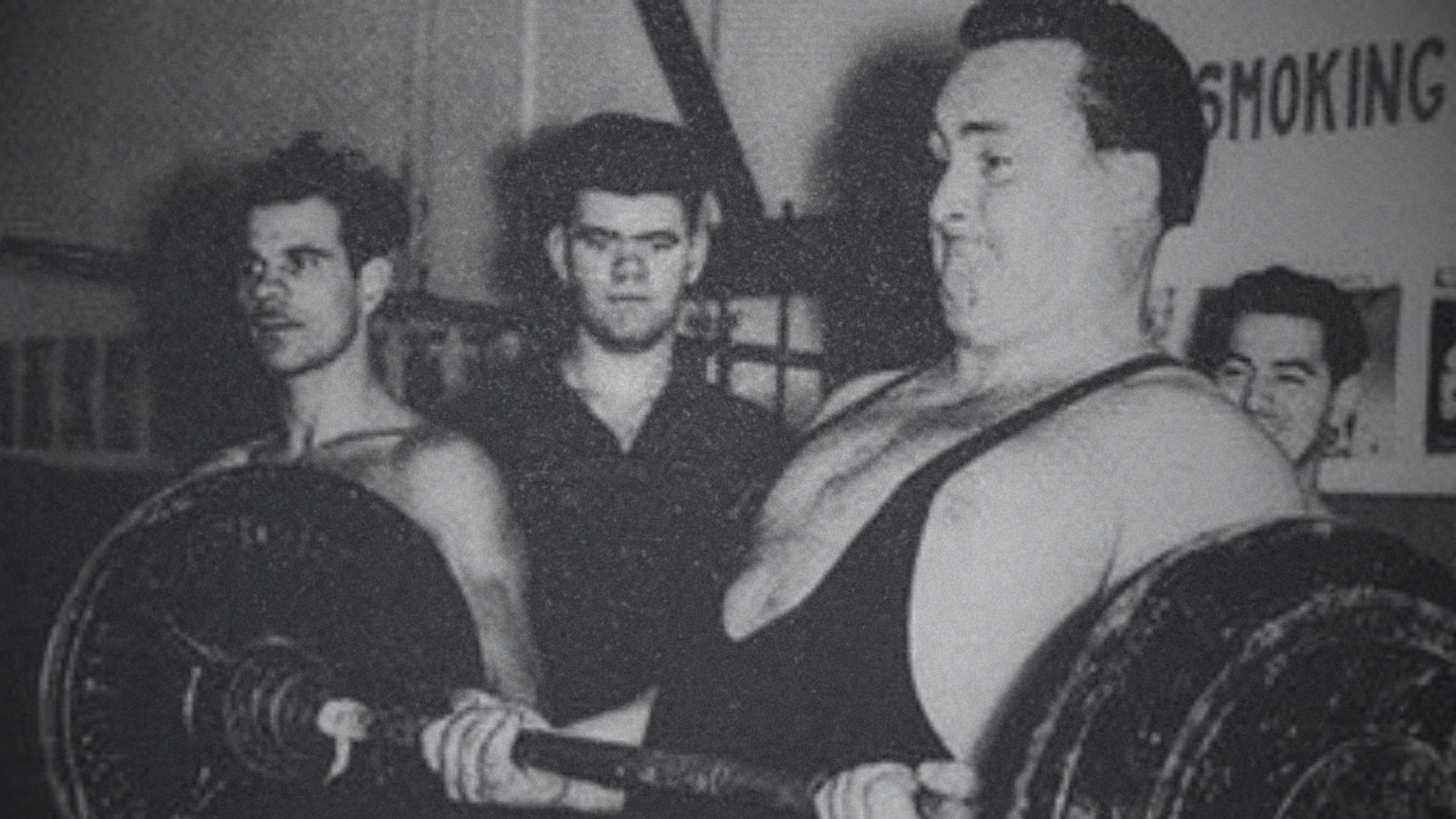

Doug Hepburn, one of the most celebrated strongmen of the 1950s and 60s, achieved the remarkable feat of strict-curling 225 pounds during an era when such strength was truly extraordinary. Although many modern lifters focus on compound movements, the curl has always been extensively used in barbell routines as a fundamental test of arm strength. Specifically, the two hands slow curl gives lifters a good indication of their arm power in one of the two basic movements governed by them.
The strict curl may appear simple compared to other barbell exercises in terms of technique and energy output, but its effectiveness for building impressive biceps cannot be overstated. Many variations of this outstanding arm exercise are used by bodybuilders to promote maximum muscular bulk on the upper arms. Consequently, understanding the Doug Hepburn method of training the strict curl, which helped him develop massive 21-inch arms, offers valuable insights for anyone looking to build impressive biceps.
This article explores Doug Hepburn’s approach to the strict curl, breaking down his technique, equipment preferences, and progression strategies. By following these time-tested principles from one of strength training’s golden age icons, lifters can build powerful arms while maintaining proper form and preventing injuries.
The Foundation of the Strict Curl
“Why the strictest style? Because there are rules to keep when you wish to break, and it is best that you get used to competition methods in your training.” — Doug Hepburn
Unlike regular curls where momentum often takes over, the strict curl enforces perfect form by requiring three points of contact against a wall: head, upper back, and buttocks. This positioning creates an environment where cheating becomes impossible, making it significantly more challenging than standard barbell curls.
Why the Strict Curl Matters for Arm Development
The strict curl reinforces proper technique, which benefits both beginners learning correct form and experienced lifters who may have developed sloppy habits. Moreover, this exercise focuses exclusively on elbow flexion (the primary function of the biceps) without allowing other muscle groups to compensate. Furthermore, when performed correctly, the strict curl activates not only the biceps but also engages the forearms, brachialis (the muscle beneath the biceps), and isometrically contracts both the abs and rhomboids. This comprehensive engagement creates better overall development and the coveted “3D look” to the arms.
How Doug Hepburn Approached Curling Differently
Despite being primarily known as a world-class weightlifter, Doug Hepburn recognized the curl’s importance in developing overall strength. Notably, Hepburn utilized the power lifts (including the curl) to increase his Olympic lifting performance. As a self-taught “strength savant” with no formal mentoring, he emerged onto the Canadian weightlifting scene with raw power compensating for technical deficiencies. His approach to curling emphasized strict form combined with progressive overload, treating the exercise as a serious strength movement rather than merely an aesthetic one.
Mastering Curl Technique the Doug Hepburn Way
Perfecting the strict curl requires attention to technical details. Doug Hepburn, renowned for his scientific approach to strength training, developed specific techniques that maximize bicep recruitment while minimizing injury risk.
Foot Placement and Body Alignment
For optimal stability, Hepburn recommended positioning the feet approximately 15 inches apart (measured between the insides of the heels) with toes pointing slightly outward. The lifter should step forward so the ankles nearly touch the bar if it’s on the floor, or the thighs almost contact the bar if it’s resting on boxes. Before initiating the curl, it’s essential that the legs are completely extended with thighs locked and knees forced backward. This rigid lower body foundation prevents the common error of using leg drive to assist the curl.
Hand Grip and Bar Positioning
The underhand (supinated) grip is most effective for isolating the biceps brachii. Hepburn insisted on using a thumbs-around grip with the bar positioned as close to the wrists as possible. This placement creates better leverage at the critical halfway point of the movement. Proper elbow positioning is equally important – they should remain firmly at the sides throughout the entire curling motion, increasing mechanical efficiency and preventing shoulder involvement.
Breathing and Timing During the Lift
Hepburn advised taking a moderate breath immediately before lifting, then crucially, holding this breath until passing the difficult midpoint of the curl. Exhaling during the sticking point often leads to failed attempts with heavy weights. Regarding timing, sufficient speed is absolutely necessary when handling limit weights – the faster the initial bar movement, the easier it passes through the sticking point.
Avoiding Common Mistakes Like Backbending
The most prevalent error during bicep curls is backbending – leaning backward to counterbalance the weight. This shifts tension away from the biceps and risks lower back injury. Additional common mistakes include:
- Allowing the elbows to drift forward
- Rowing the weight up instead of curling
- Failing to maintain a neutral spine
- Using momentum by swinging the torso
Hepburn’s methodology emphasizes that proper form produces superior results – both in terms of strength development and muscle growth.
Equipment and Setup Tips
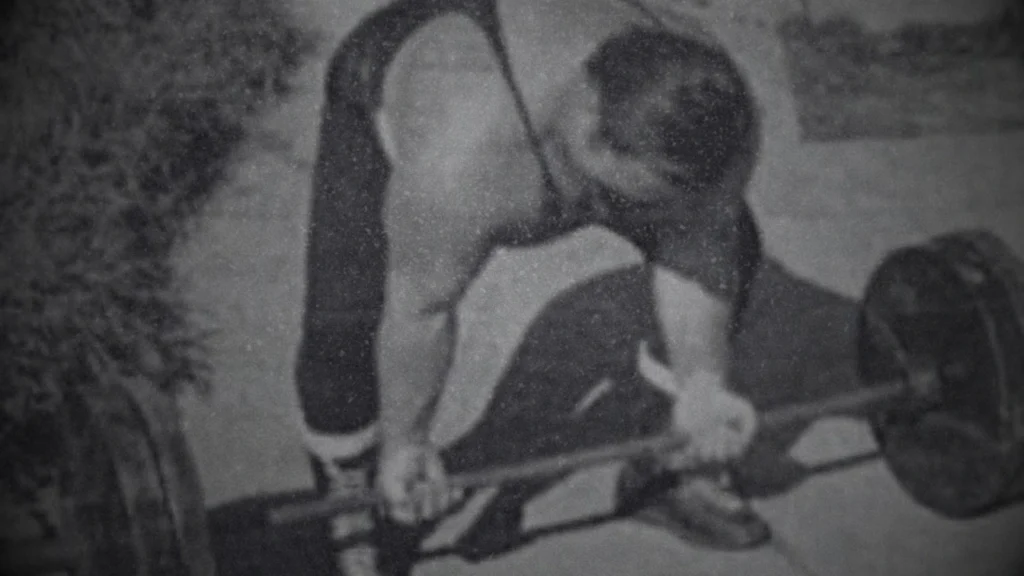
For optimal curling results, select a barbell with appropriate specifications – typically 28.5-30mm in diameter with bronze bushings for smooth rotation. Quality barbells feature snap-ring construction that firmly fixes sleeves to prevent loosening over time. Secure collars are essential for preventing plate movement during the curl, particularly as weights increase in Hepburn’s progressive loading system.
Why a Straight Bar Matters
Hepburn primarily utilized straight barbells rather than EZ curl bars for strict curls. Straight bars provide several distinct advantages – they create a more natural wrist position, engage a wider range of muscle groups, and offer superior stability during heavy lifts. Furthermore, the straight bar allows for various grip widths, helping target different portions of the biceps for comprehensive development.
Using Safety Boxes for Efficient Training
Safety boxes position the barbell at an ideal starting height, eliminating wasted energy from floor lifts. This setup enhances training efficiency by allowing lifters to focus entirely on the curl movement itself. Hepburn recognized that proper starting position maximizes mechanical advantage through the lift’s sticking point.
The Importance of Grip Chalk and Knurling
Knurling – the crosshatched pattern on barbells – prevents slippage during heavy curls. Subsequently, applying grip chalk further enhances this security by eliminating sweat-based variables that might compromise performance. Even with aggressive knurling, chalk provides additional grip security, especially when approaching maximum weights in Hepburn’s single-rep training protocol. This combination creates optimal friction between hands and bar, allowing full focus on bicep engagement.
Doug Hepburn’s Curl Progression Strategy
Hepburn’s strength development system relied on a methodical progression strategy that maximized bicep development without plateaus or injuries. His approach to the strict curl combined science with practical experience, creating a timeless protocol for arm strength.
Initially, Hepburn recommended starting with 3-4 progressively heavier warm-up sets to prepare muscles and joints without causing fatigue. These sets typically included 5 repetitions with 50% of working weight, followed by 3 repetitions at 70%, and finally 1-2 repetitions at 85% of the target weight.
Hepburn’s method centered on heavy singles (one-repetition sets) to build maximal strength. For curls, he advocated performing 8-10 singles with the same weight, resting 2-3 minutes between each effort. This approach prioritizes neural adaptation and pure strength over muscle fatigue.
Gradually, once all singles could be completed with perfect form, Hepburn instructed adding 2.5-5 pounds to the bar. This micro-progression approach ensured consistent improvement without compromising technique. Undeniably, this slow-but-steady methodology built his legendary bicep strength.
Read More: The Colorado Experiment
Combining Singles and 5×5 for Best Results
Hepburn often paired his singles protocol with a 5×5 program (5 sets of 5 repetitions) performed on separate days. This combination developed both absolute strength and muscular endurance, creating optimal conditions for arm growth.
Hepburn suggested training curls twice weekly with at least 72 hours between sessions. Rest between sets varied from 2-3 minutes for singles to 90 seconds for 5×5 work. Proper recovery between sessions was just as important as the training itself for continual strength progression.